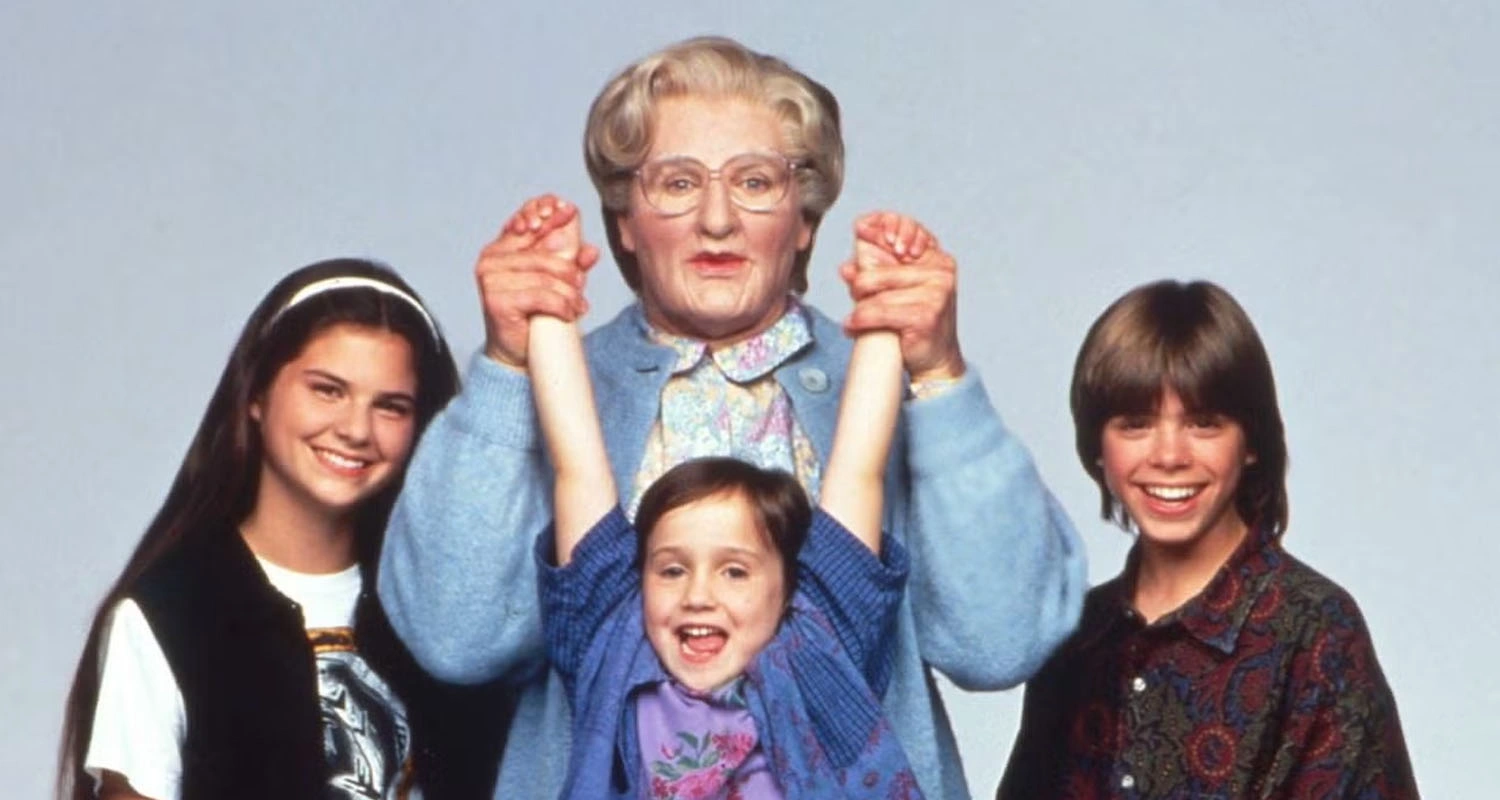

Matthew Lawrence proposes using AI to recreate Robin Williams’ voice—a move that raises questions about ethics, legacy, and the future of storytelling in Hollywood.
Whether or not artificial intelligence is destined to replace us all remains uncertain. What’s undeniable, however, is its growing ability to create moments of intense secondhand embarrassment. Case in point: Matthew Lawrence—best known for his role in the 1993 hit Mrs. Doubtfire—recently expressed his desire to use AI technology to recreate the voice of the late Robin Williams.
During an interview at Comic-Con, Lawrence shared that his intention is to honor the iconic actor, who passed away in August 2014 at the age of 63. While the sentiment may come from a place of admiration, the idea quickly sparked ethical concerns and wider debate.
Robin Williams
While the idea of recreating Robin Williams’ voice through AI raises numerous ethical and technical concerns, Matthew Lawrence stressed the importance of approaching it with sensitivity. “I would love to—now, obviously, with due respect,” the actor said, expressing his admiration for Williams’ legacy. His remarks hint at a larger, ongoing debate about the role of artificial intelligence in reviving the voices of iconic figures from film and music.
AI voice cloning technology has made remarkable progress in recent years, allowing for highly realistic vocal reproductions. Yet, using this technology to replicate the voices of the deceased remains a deeply sensitive issue—one that continues to stir mixed reactions from fans, critics, and professionals within the entertainment industry. While the possibility of bringing back legendary voices may inspire new and imaginative projects, it inevitably raises serious questions about consent, legacy, and the ownership of a person’s likeness after death.
The Technology Behind the Controversy
AI voice synthesis has advanced at a rapid pace, now capable of replicating human speech with remarkable accuracy. These tools can analyze existing recordings and generate realistic speech patterns that mimic the tone, cadence, and personality of a subject’s voice.
However, when it comes to deceased individuals, especially those as beloved as Robin Williams, the use of such technology becomes highly sensitive. Fans and industry professionals alike are divided—some view it as a way to preserve legacy, while others see it as a breach of posthumous consent and personal dignity.
A Tribute or a Turning Point?
Lawrence, who was just a child when he worked alongside Williams, has clearly kept the memory of his co-star alive over the years. His proposal is not just a tribute; it also symbolizes a potential turning point in how stories might be told in the future.
As AI becomes increasingly integrated into media production, the industry is approaching a pivotal moment. It will be compelling to see how such proposals shape the evolving conversation around creativity, ethics, and technology in film and television.
Beyond the technical marvels and ethical debates lies a deeper issue: legacy. Robin Williams was more than just a voice—he was a presence, a personality, and a master of spontaneous emotion. Can an algorithm truly capture that essence? As AI tools continue to evolve, preserving the soul of a performance remains the real challenge.
There’s no doubt that artificial intelligence is reshaping the creative process in film and television. But with this new power comes a critical need for thoughtful discussion. Consent, legacy, and respect must remain at the heart of any effort to revive voices from the past.
As Hollywood moves forward into this AI-assisted era, the legacy of artists like Robin Williams serves as a poignant reminder: just because technology makes something possible, doesn’t always mean it should be done.