
Microsoft has been continuously improving its operating systems to keep up with modern computing needs. After the release of Windows 11, many users and tech experts are now curious about the next major operating system update – Windows 12. While Microsoft has not officially confirmed all the details yet, several reports and industry trends suggest that the next version of Windows could bring significant improvements, especially in the areas of artificial intelligence, security, and performance.
The upcoming version of Windows is expected to focus heavily on AI-powered features, deeper integration with cloud services, and improved system efficiency. With the rapid growth of AI technologies and new hardware capabilities, Windows 12 could represent one of the biggest changes in the Windows ecosystem.
In this article, we will explore everything currently known and expected about Windows 12, including its possible release date, new features, hardware requirements, and what users can expect from Microsoft’s next operating system.
Expected Release Date
Microsoft usually releases major Windows updates every few years. For example:
- Windows 10 was released in 2015
- Windows 11 was released in 2021
Based on Microsoft’s development pattern and industry speculation, Windows 12 could be released sometime in 2026.
Some reports suggest that Microsoft is preparing a new generation of Windows designed for AI-powered PCs, which could coincide with upcoming hardware platforms from Intel, AMD, and Qualcomm.
However, before the official release, Microsoft will likely test the operating system through its Windows Insider Program, allowing developers and testers to try early builds and provide feedback.
Focus on Artificial Intelligence
- One of the biggest expected changes in Windows 12 is the deep integration of Artificial Intelligence (AI) across the entire operating system.
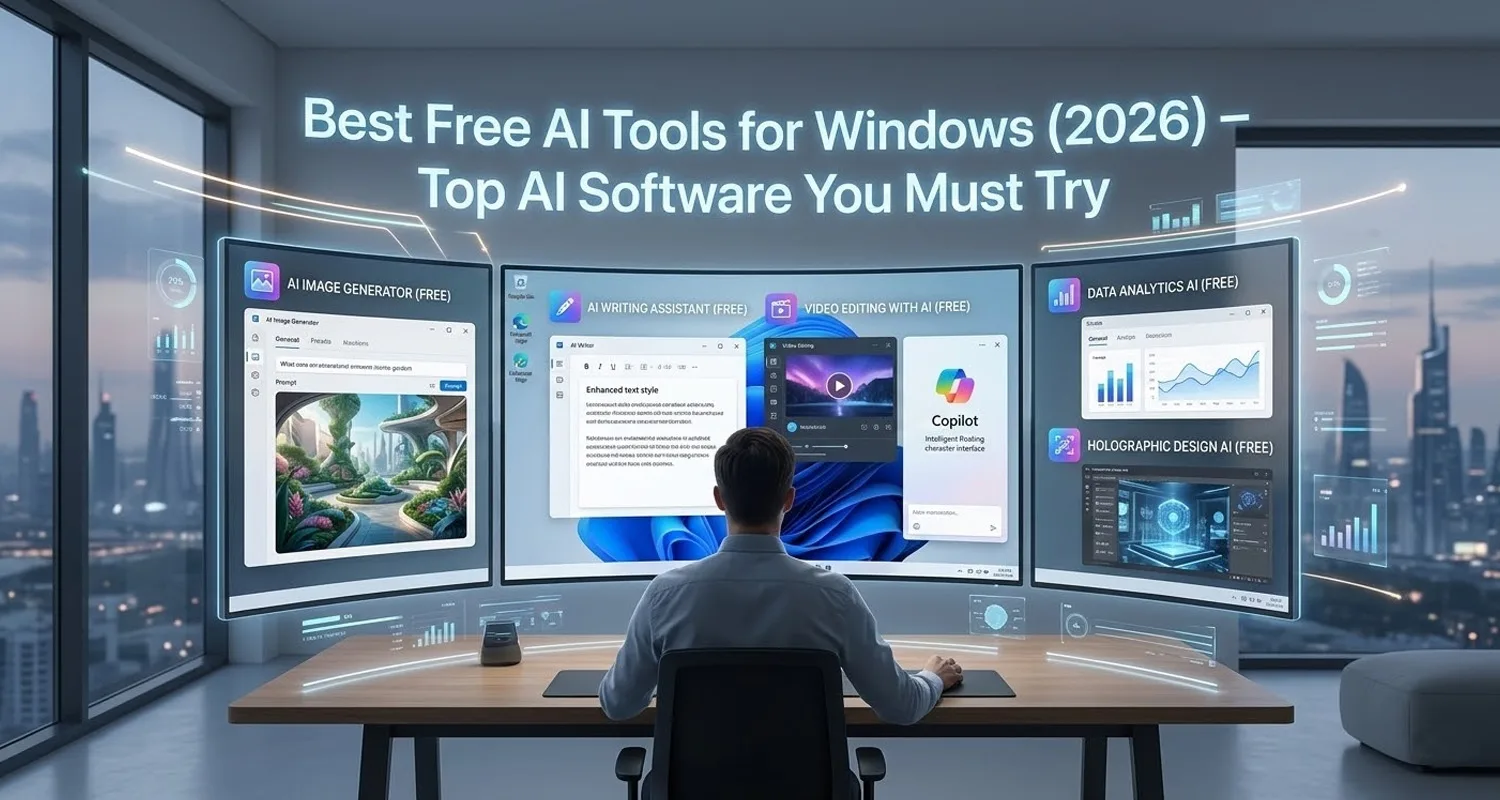
- Microsoft has already started integrating AI features in Windows through tools like Microsoft Copilot, which helps users perform tasks, answer questions, and automate workflows.
- AI could become a core component of the system.

Possible AI Features
Some of the expected AI-related capabilities include:
- Smart system optimization
- AI-powered search across files and apps
- Automated task suggestions
- Real-time writing and productivity assistance
- Intelligent security monitoring
With the help of AI, Windows could become more adaptive and responsive to user behavior.
New User Interface (UI)
Microsoft often redesigns the Windows interface to provide a modern and cleaner experience. Windows 12 may introduce a refreshed UI design with better customization options.
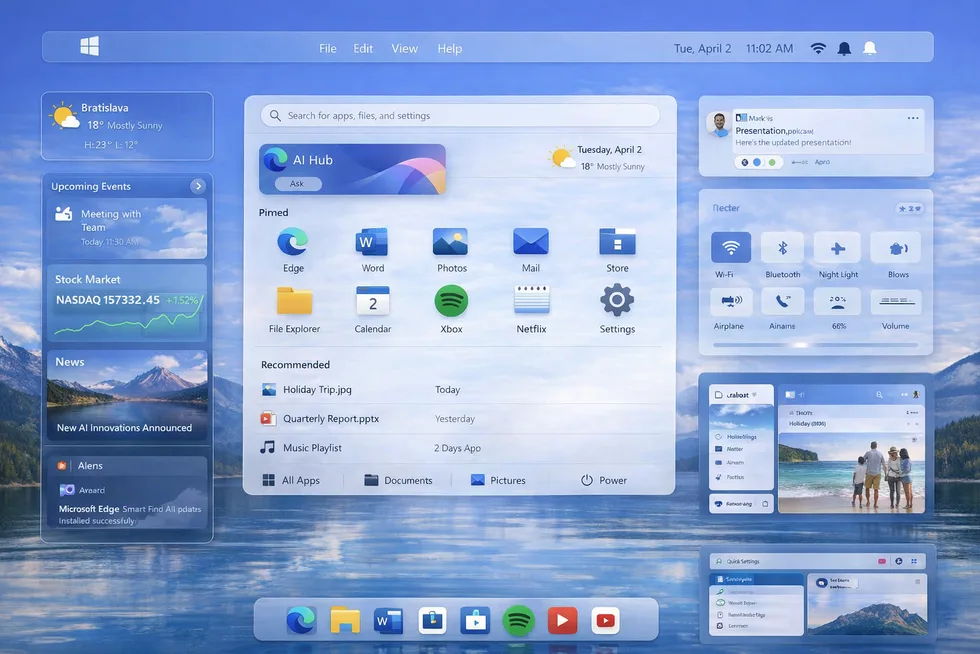
Possible changes could include:
- Floating taskbar design
- Improved widgets and dashboard
- More customizable start menu
- Enhanced animations and visual effects
The goal is likely to make the interface simpler while still providing powerful productivity tools.
Also read: How to Install Windows 11 on Unsupported PCs (2026 Guide): Bypass TPM 2.0 & Secure Boot
Improved Performance and Efficiency
Performance improvements are always a major focus for any operating system update.
Windows 12 is expected to improve performance in several areas:
- Faster Boot Times: Better optimization could reduce startup times and allow systems to boot faster.
- Improved Resource Management: The operating system may manage CPU, RAM, and GPU resources more efficiently, resulting in smoother multitasking.
- Optimized Background Processes: AI-based background management could reduce unnecessary processes and improve battery life on laptops.
These improvements could make Windows 12 faster and more efficient than previous versions.
Stronger Security Features
Security remains a top priority for Microsoft. With increasing cyber threats, Windows 12 is expected to include enhanced security mechanisms.

Possible security improvements include:
- Advanced malware protection
- Hardware-level security integration
- Improved Windows Defender capabilities
- Better protection against ransomware attacks
Microsoft may also expand its use of AI-based threat detection, which can identify suspicious activity in real time.
Cloud Integration
Cloud services are becoming increasingly important in modern computing environments. Windows 12 may further integrate Microsoft’s cloud platform into the operating system.
Users might see deeper connections with services such as Microsoft OneDrive, allowing easier file synchronization and backup.
Potential cloud-related features could include:
- Automatic file syncing
- Cloud-based system backups
- AI-powered document search
- Seamless collaboration features
These features would make it easier for users to access their files across multiple devices.
Support for AI PCs and New Hardware
Another major change expected with Windows 12 is support for a new category of devices known as AI PCs.
These systems may include specialized processors designed to handle AI tasks efficiently.
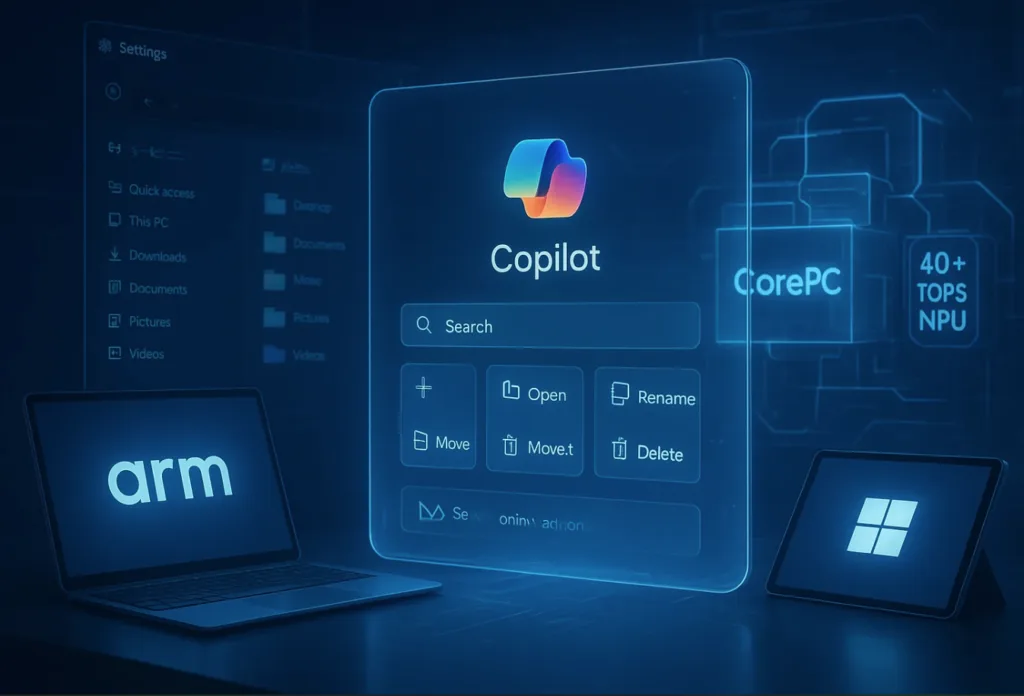
Many new processors are expected to include Neural Processing Units (NPUs) that can accelerate AI workloads directly on the device.
Benefits of NPU-powered systems may include:
- Faster AI processing
- Reduced power consumption
- Better performance for AI applications
This shift could represent a major step toward more intelligent personal computers.
Expected System Requirements
Although Microsoft has not officially confirmed Windows 12 system requirements yet, it is possible that the hardware requirements could be slightly higher than those of Windows 11.
Possible requirements may include:
| Processor | Modern 64-bit processor Multi-core CPU |
| RAM | Minimum 8 GB RAM recommended |
| Storage | At least 64 GB storage or more |
| Graphics | DirectX 12 compatible GPU |
| Security | TPM 2.0 support |
| Internet Connection | Internet access for updates and account setup |
Some reports suggest that AI-focused features may work best on systems equipped with NPUs.
Compatibility With Existing Devices
One important question many users have is whether Windows 12 will support older computers.
It is likely that:
- Newer devices will receive the update first
- Older hardware may have limited compatibility
Microsoft may encourage users to upgrade to newer hardware to fully utilize the AI capabilities of Windows 12.
Also read: Downlaod Windows 11 25H2
How Windows 12 Could Change Personal Computing
If the expected features become reality, Windows 12 could significantly change how people interact with their computers.
The integration of AI could allow systems to:
- Predict user needs
- Automate repetitive tasks
- Improve productivity
- Provide smarter assistance
Instead of just being an operating system, Windows 12 could function more like an intelligent digital workspace.
Final Thoughts
Although Microsoft has not officially revealed all the details yet, Windows 12 is expected to bring major improvements in AI integration, performance, security, and cloud connectivity.
With the rise of AI-powered devices and next-generation hardware, the upcoming operating system could represent a new era for Windows users.
If Microsoft delivers on these expectations, Windows 12 may become one of the most advanced operating systems the company has ever released. Until the official announcement arrives, users can expect more leaks, previews, and insider builds that will reveal additional features in the coming months.
Windows 12 FAQs
What are the main features expected in Windows 12?
- AI-powered system features
- Improved performance and battery efficiency
- Enhanced security protection
- A redesigned user interface
- Better cloud integration
- Support for next-generation AI PCs
Will Windows 12 support AI features?
Yes, Windows 12 is expected to focus heavily on artificial intelligence. Microsoft may expand the use of Microsoft Copilot to provide smart assistance, automated tasks, and improved productivity tools directly within the operating system.
What are the system requirements for Windows 12?
- A modern 64-bit processor
- At least 8 GB RAM
- 64 GB or more storage
- TPM 2.0 support
- DirectX 12 compatible graphics
Will Windows 11 users get a free upgrade to Windows 12?
Microsoft has not confirmed upgrade plans yet. However, similar to previous versions of Windows, eligible Windows 11 users may receive a free upgrade to Windows 12 once it becomes available.
Will older PCs support Windows 12?
Some older devices may not support Windows 12 due to higher hardware requirements. Systems without modern processors or security components like TPM 2.0 may not be compatible with the new operating system.
Is Windows 12 already available for testing?
Currently, Windows 12 has not been officially released. However, Microsoft may provide early builds through the Windows Insider Program before the public launch, allowing users and developers to test new features.