
Artificial Intelligence is rapidly transforming the world of design, animation, and digital content creation. One of the most exciting developments in this space is the integration of AI into 3D modeling tools. Traditionally, creating 3D models required advanced technical skills, powerful hardware, and hours of manual work. However, new AI-powered tools are changing this process completely.
A new innovation known as Wonder 3D inside Autodesk Flow Studio is gaining attention in the creative and design community. This AI-powered technology is designed to generate detailed 3D models within seconds, dramatically simplifying workflows for designers, developers, and digital artists.
With tools like this, users may soon be able to convert simple images or ideas into fully structured 3D models almost instantly. In this article, we will explore what Wonder 3D is, how it works, and why it could become a major breakthrough in the future of digital design.
What is Wonder 3D in Autodesk Flow Studio?
Wonder 3D is an advanced AI-powered 3D modeling system integrated into Autodesk Flow Studio. The goal of this technology is to automate complex 3D modeling tasks using artificial intelligence.
Instead of manually designing every shape, surface, and texture, the AI can analyze images or inputs and generate accurate 3D models automatically. This can significantly reduce the time required to create digital assets.
For industries like gaming, animation, virtual reality, and product design, this type of technology can dramatically improve efficiency.
How AI is Transforming 3D Modeling
Before the rise of AI, creating a high-quality 3D model required specialized software skills and many hours of work. Designers often needed to carefully sculpt shapes, add textures, adjust lighting, and refine geometry.
AI-powered systems like Wonder 3D are changing that process by introducing automation.
Key AI Capabilities
- Automatic shape recognition
- Realistic texture generation
- Fast geometry creation
- Intelligent object reconstruction
By combining machine learning with advanced graphics processing, AI can now interpret visual data and convert it into detailed 3D models.
Creating 3D Models in Seconds
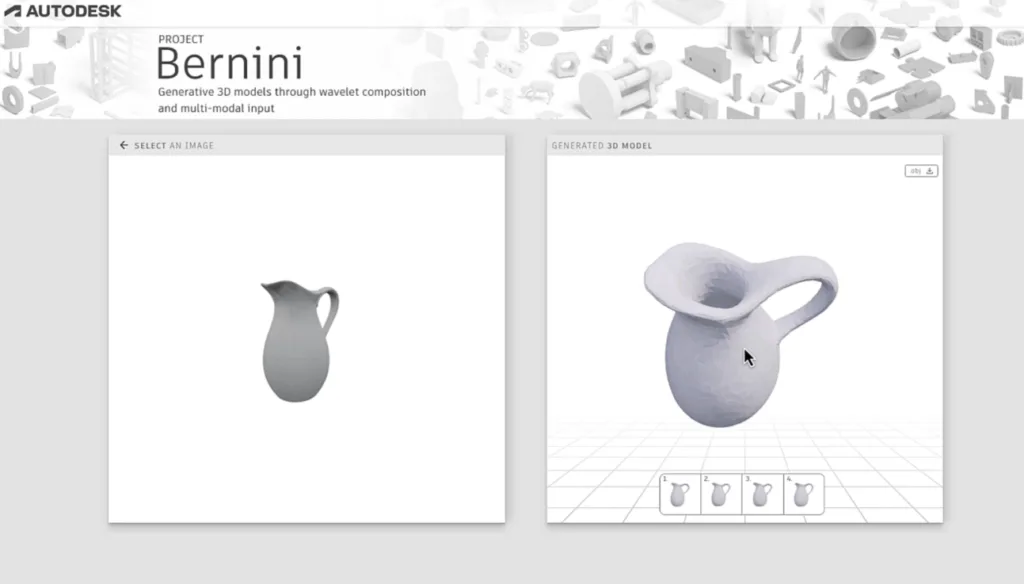
One of the most impressive aspects of Wonder 3D is speed. Instead of spending hours modeling an object manually, the AI system can generate a digital 3D version almost instantly.
Users may only need to provide a simple input such as:
- An image of an object
- A rough concept
- A reference design
The AI then processes this information and produces a 3D structure that can be refined further.
This type of workflow could dramatically accelerate creative projects.
Also read:
Android March 2026 Security Update: 129 Bugs Fixed – Why You Should Update Your Phone Immediately
The Hidden Cost of an Oscar for ‘The K-Pop Warriors’
Potential Use Cases of Wonder 3D
AI-powered 3D modeling tools can be useful across many industries.
1. Game Development
Game studios often need thousands of digital assets such as characters, environments, and props. AI modeling tools can generate assets faster, helping developers build game worlds more efficiently.
2. Film and Animation
Movie studios rely heavily on 3D modeling for visual effects and animation. AI-generated models could reduce production time and lower development costs.
3. Product Design
Designers can quickly create digital prototypes of products before manufacturing begins.
4. Virtual Reality and Metaverse
As virtual environments continue to expand, the demand for 3D assets is increasing rapidly. AI tools like Wonder 3D could help creators build virtual worlds more quickly.
Advantages of AI-Based 3D Modeling
The integration of AI into design tools offers several important advantages.
1. Faster Workflow
AI reduces the time required to create complex models, allowing designers to focus on creativity instead of technical processes.
2. Accessibility
Traditional 3D modeling requires significant training. AI tools make it easier for beginners to create professional-quality assets.
3. Cost Efficiency
Automation can reduce the need for large design teams, lowering production costs for companies.
4. Enhanced Creativity
Designers can experiment with ideas quickly, generating multiple concepts in a short time.
How Wonder 3D Could Impact Creative Industries
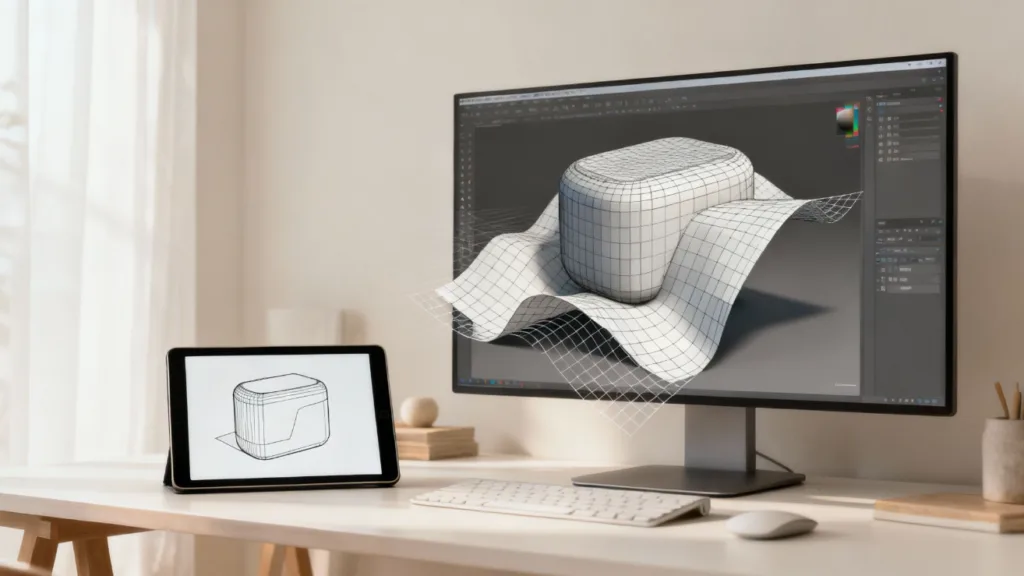
The arrival of AI-powered modeling tools could significantly change how digital content is created.
In industries like gaming and animation, production pipelines often involve large teams of artists who work on modeling assets for months. If AI can generate models quickly, studios could accelerate development cycles.
Independent creators may also benefit from these technologies. Smaller teams or individual artists could produce high-quality assets without needing large budgets.
This could lead to a new wave of innovation in digital design.
Also read:
15 Best Free Windows Software You Should Install in 2026
AI and the Future of Design Tools
The integration of AI into creative software is not limited to 3D modeling. Many design platforms are now exploring machine learning capabilities to assist users.
For example, some tools can automatically generate design layouts, enhance images, or suggest creative edits.
Companies like Autodesk have been investing heavily in AI research to develop smarter tools that simplify complex workflows.
In the future, AI may become a standard component in nearly every design platform.
Challenges and Limitations
Although AI-powered modeling tools offer many advantages, there are still challenges that developers need to address.
1. Accuracy
AI-generated models may sometimes require manual adjustments to achieve perfect accuracy.
2. Creative Control
Designers still want full control over their projects. AI tools must provide flexibility while automating repetitive tasks.
3. Hardware Requirements
Advanced AI modeling systems may require powerful computers to process data efficiently.
Despite these challenges, the technology continues to improve rapidly.
What This Means for Designers and Creators
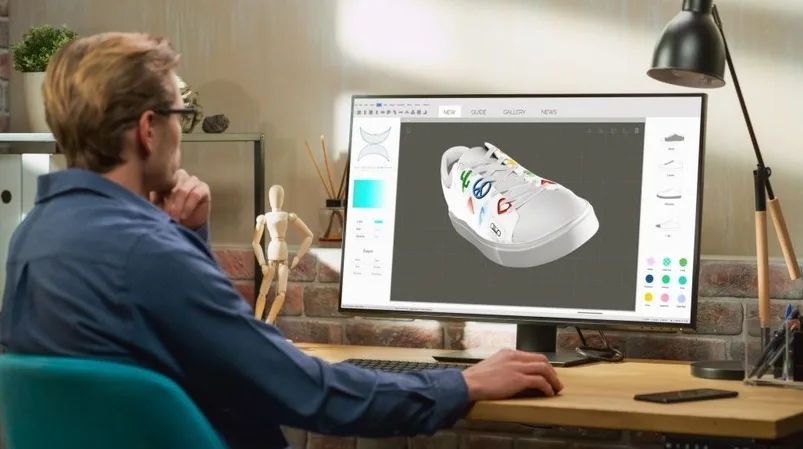
For designers, artists, and developers, tools like Wonder 3D represent a new way of working.
Instead of replacing human creativity, AI is expected to act as a powerful assistant that speeds up the design process.
Creators can spend less time on technical modeling tasks and more time focusing on storytelling, visual style, and innovation.
This shift could reshape how digital content is produced across industries.
Conclusion
The introduction of Wonder 3D inside Autodesk Flow Studio highlights how artificial intelligence is transforming creative technology. By allowing users to generate detailed 3D models within seconds, this innovation has the potential to dramatically simplify complex design workflows.
From game development to product design, AI-powered modeling tools could change how digital assets are created in the future. While the technology is still evolving, its impact on creative industries could be significant.
As AI continues to advance, designers may soon have access to tools that make the process of building digital worlds faster, easier, and more accessible than ever before.
Wonder 3D FAQs
How does Wonder 3D create 3D models so quickly?
Wonder 3D uses advanced machine learning algorithms and computer vision technology to understand shapes, textures, and object structures. By analyzing visual data, the AI can reconstruct objects and generate 3D models almost instantly, significantly reducing manual modeling time.
Who can benefit from using Wonder 3D?
Wonder 3D can be useful for many professionals, including:
- Game developers
- 3D artists and designers
- Product designers
- Animation studios
- Virtual reality creators
These users can quickly create digital assets for games, animations, and design projects.
Is Wonder 3D suitable for beginners?
Yes, AI-powered tools like Wonder 3D are designed to simplify the 3D modeling process. Beginners who may not have advanced modeling skills can still generate basic 3D objects quickly using AI assistance.
Can Wonder 3D replace traditional 3D modeling software?
While Wonder 3D can automate many parts of the modeling process, traditional modeling tools are still important for advanced editing and detailed customization. AI tools are meant to assist designers rather than replace them.
What industries can use AI 3D modeling tools?
AI-based 3D modeling tools are becoming popular in several industries such as:
- Game development
- Film and animation
- Architecture and product design
- Virtual reality and metaverse development
These industries require large numbers of digital assets, which AI can help create faster.
Is AI the future of 3D design?
Artificial intelligence is expected to play a major role in the future of digital design. Tools like Wonder 3D demonstrate how AI can automate complex tasks, reduce production time, and allow designers to focus more on creativity.