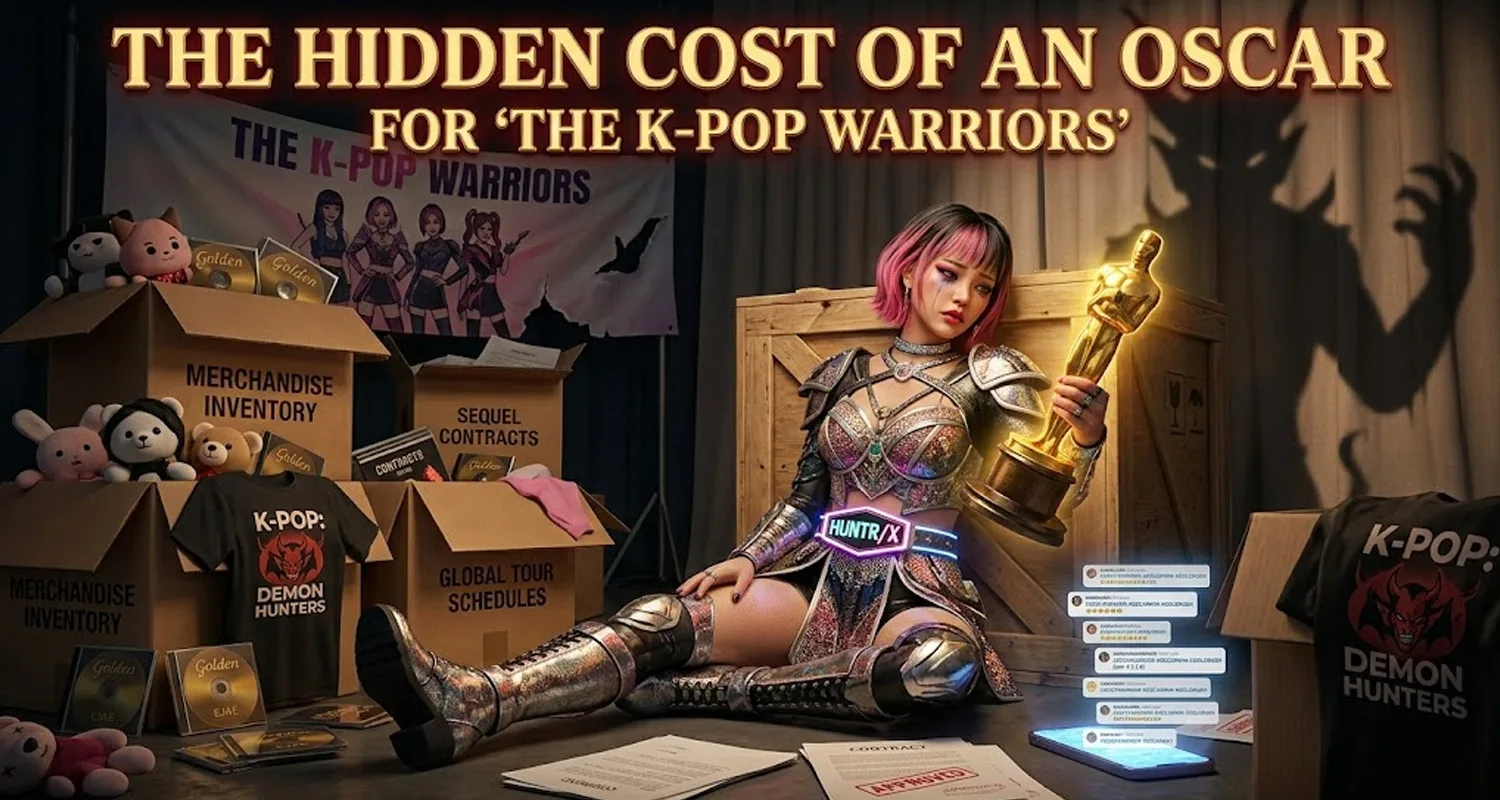

2026 has undeniably become the year of The K-Pop Warriors. Known to some international audiences by its alternate title, K-Pop: Demon Hunters, this Netflix animated phenomenon directed by Chris Appelhans and Maggie Kang has taken the entertainment world by storm. Following the sensational K-pop girl group Huntr/x as they balance their exhausting idol careers with fighting underworld demons to protect the sacred Honmoon barrier, the film has captured the hearts of millions across the globe.
From dominating the Golden Globes—taking home Best Animated Feature and Best Original Song for EJAE’s massive hit “Golden”—to landing a highly coveted Oscar nomination, its momentum feels absolutely unstoppable. However, while die-hard fans are eagerly preparing their viewing parties for the Academy Awards, a deeper look into the mechanics of the film industry suggests that an Oscar win for this beloved blockbuster might actually carry some troubling, long-term consequences.
Here is why The K-Pop Warriors winning the Oscar might not be the triumphant news we think it is.
1. The Danger of Hyper-Commercialization and Franchise Fatigue
There is no denying that The K-Pop Warriors is a marketing and merchandising masterclass. The franchise has seamlessly transcended the digital screen, evolving into a real-world cultural and commercial juggernaut. Currently, fans can attend live, immersive concert experiences featuring the fictional group Huntr/x in cities like Seville, where shows at the Teatro Los Remedios are rapidly selling out. Online marketplaces are already flooded with independent merchandise, ranging from fan-made crochet patterns of characters like Zoey to endless streams of official apparel.
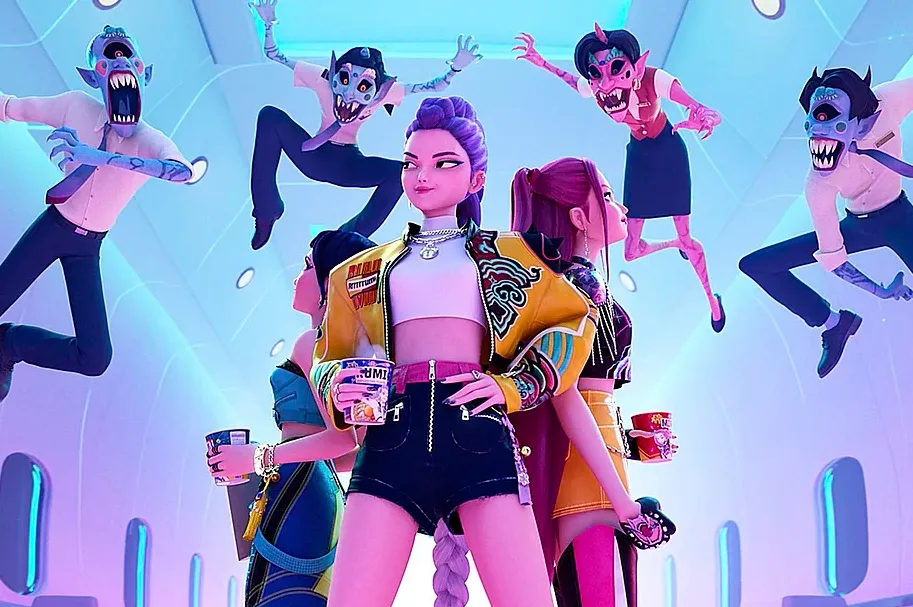
While this level of global engagement is a dream scenario for studio executives, an Academy Award win could push this commercialization into an exhaustive overdrive. Historically, when a highly marketable, merchandise-driven animated film wins an Oscar, the parent studio immediately greenlights an onslaught of sequels, spin-offs, and tie-in media to capitalize on the prestige. This hyper-commercialization threatens the artistic integrity of the original film.
Instead of letting The K-Pop Warriors stand as a unique, self-contained story about idols battling the underworld entity Gwima, an Oscar win practically guarantees that Netflix will milk the IP dry. We risk seeing these vibrant characters reduced to mere brand mascots in rushed follow-ups that prioritize quarterly profits over the heartfelt storytelling that made the first movie so spectacular.
2. Overshadowing Independent and Arthouse Animation
The Best Animated Feature category at the Oscars is often a fragile battleground between massive studio blockbusters and smaller, artistically daring independent films. The 2026 lineup is a perfect example of this cinematic tension. Alongside heavy hitters like Disney’s Zootopia 2 and Pixar’s Elio, the Academy has recognized beautifully crafted, smaller-scale international films like Little Amélie (directed by Liane-Cho Han, Jin Kuang, and Maïlys Vallade) and the French animated film Bow (directed by Ugo Bienvenu).
If The K-Pop Warriors – a film backed by the near-infinite marketing budget of Netflix and fueled by global pop music trends—takes home the golden statuette, it sends a deeply discouraging message to independent animators. It reinforces the idea that the Academy values algorithm-friendly, pop-culture-dominating franchises over pure, boundary-pushing cinema. While The K-Pop Warriors features excellent animation and a killer soundtrack, rewarding it at the highest level of cinema might discourage studios from taking financial risks on unconventional narratives or unique 2D animation styles. An Oscar should ideally spotlight films that push the medium forward, not just those that successfully dominate the global box office and Spotify charts.
Also read : How to Create and Set an Animated GIF Profile Picture for Your Gmail Account
3. Setting a Precedent for the “Pop-Idol Vehicle”
Another significant concern is the trend an Oscar win would set for future animated projects. The K-Pop Warriors is undeniably tied to the commercial music industry; its success is largely propelled by the viral track “Golden” and the real-world launch of artist EJAE’s solo career. If this film wins Best Animated Feature, Hollywood executives will undoubtedly take aggressive notes.
We could see a drastic shift in how animated movies are conceptualized and greenlit, with studios reverse-engineering films simply to act as promotional vehicles for virtual pop groups and record labels. Instead of prioritizing strong scripts, character development, and visual innovation, the focus could shift to engineering the next viral TikTok dance or Billboard Hot 100 hit. The narrative about fighting demons could easily become secondary to the overarching goal of selling concert tickets and music streams. An Oscar win validates this “music-first, movie-second” formula, potentially leading to a decade of animated films that function more like extended music videos than genuine cinematic experiences.
4. Validating Extreme Internet Fandoms and “Brainrot” Content
We must also consider the intense, sometimes chaotic internet culture surrounding the film. The fandom for The K-Pop Warriors has reached a fever pitch, spawning an endless tidal wave of viral content on platforms like YouTube. From bizarre “Do not watch the K-Pop Warriors movie at 3 AM” challenges to videos of the main characters mysteriously transforming into mermaids, the IP has become a cornerstone of algorithm-driven internet “brainrot”.
While kids and teenagers obsessing over a colorful movie is nothing new, the sheer volume of low-effort, sensationalized content surrounding the film is staggering. An Oscar win provides the ultimate mainstream validation for this specific brand of intellectual property. It signals to content creators and algorithm-chasers that this franchise is the undisputed king of the cultural zeitgeist, which will only pour gasoline on the fire of extreme, obsessive internet content. It risks turning a fun, beautifully animated movie into an inescapable, exhausting internet meme that alienates older or more casual viewers.
5. Cultural Polarization and Unintended Controversies
Finally, the sheer pervasiveness of The K-Pop Warriors has led to unintended cultural clashes. Because the film explicitly deals with underworld demons and supernatural themes, it has sparked intense debates within devout religious communities. Discussions across online forums reveal that the film’s premise is causing a significant stir among strict religious groups, with some devout parents outright forbidding their children from watching it due to its perceived demonic subject matter.
While controversy often fuels box office success, an Oscar win would catapult the film into an even more intense, blinding spotlight, turning it into a proxy for cultural and religious debates. Elevating K-Pop: Demon Hunters to Oscar-winning status might force the Academy—and the creators—to navigate uncomfortable cultural discourse that ultimately distracts from the art of the animation itself.
Conclusion
Chris Appelhans and Maggie Kang have undeniably created a masterpiece of modern entertainment with The K-Pop Warriors. It is vibrant, emotional, highly stylized, and boasts a soundtrack that will be remembered and replayed for years. However, the Academy Awards are about more than just global popularity and catchy choruses.
An Oscar win for this film could inadvertently trigger a wave of franchise fatigue, overshadow brilliant independent animation, shift the industry’s focus toward musical merchandising over storytelling, and fuel an already exhaustive internet culture. Sometimes, the best thing for a beloved film is to remain exactly what it is: a massive, fan-favorite phenomenon, without the heavy crown of an Academy Award altering its legacy forever.